Usimamane Opens Up About SA Rap Beefs, Qwellers Drama and Why He Regrets Diss Tracks

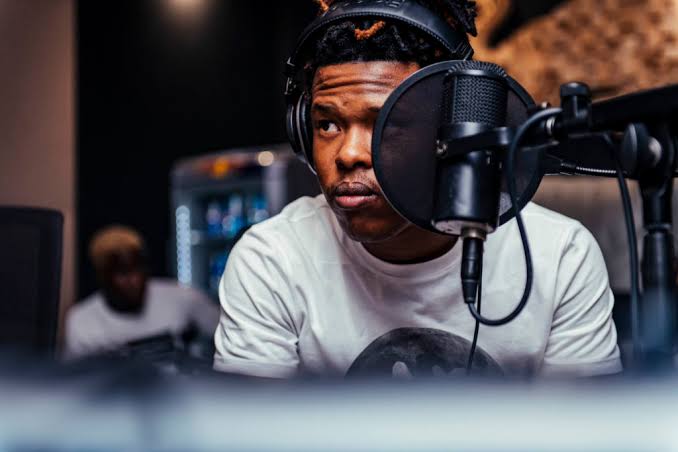
South African hip hop fans love competition, but some SA rap beefs eventually reveal bigger lessons about growth, branding, and maturity. During his recent appearance on the L-Tido Podcast, rising rapper Usimamane gave an honest perspective on his past rap beefs involving K1llBrady, jayKatana, Blxckie, and members of the Qwellers collective.
The interview quickly became one of the most talked-about SA hip hop discussions online, mainly because of how calm and reflective Usimamane sounded when speaking about artists many fans considered his rivals.

Usimamane Speaks on SA Rap Beefs and Competition
One of the biggest takeaways from the interview was that Usimamane never truly viewed the beefs as personal hatred. According to him, the diss tracks and online tension were more about competition and sport within hip hop culture than actual enemies.
In South African rap culture, lyrical warfare has always been part of the game. From old-school SA rap beefs to the new generation of trap and street rap artists, competition often helps artists gain attention and sharpen their craft. However, Usimamane admitted that the reality behind rap beef is not always as rewarding as fans think.
The rapper explained that while the diss exchanges created buzz, they also pulled him away from the clean image and focused brand he had worked hard to build.

Lowfeye Was the Only Qwellers Member to Apologize
During the podcast, Usimamane revealed that Lowfeye was the only member connected to the Qwellers movement who personally apologized to him after the diss exchanges.
That moment stood out because accountability is rare in modern SA rap beefs, where pride and social media pressure usually keep artists locked in endless conflict. Instead of escalating the situation further, Usimamane acknowledged the apology respectfully and moved forward.
His comments also suggested that he no longer holds deep resentment toward the artists involved. Rather than sounding angry, he came across as someone who has learned from the experience.
Why Usimamane Regrets Going Back and Forth With Diss Tracks
Another major moment from the interview was when Usimamane admitted that he regrets participating in extended diss battles. He said he would never handle rap conflict the same way again.
The rapper explained that the beef forced him into spaces that did not align with his personality or brand. He mentioned that he does not naturally enjoy excessive cursing, but found himself doing it during the exchanges because that energy dominates modern diss culture.
For him, the biggest realization was that the competition was ultimately not worth it. He compared the situation to “fighting with someone who’s not hitting back,” suggesting that the back-and-forth eventually felt pointless and creatively empty.
SA Hip Hop Is Shifting Away From Toxic Rap Beef
Usimamane’s interview reflects a bigger shift happening within South African hip hop. Many artists are beginning to realize that constant controversy may bring short-term attention, but it does not always help build a long-term career.
Today’s SA hip hop artists are focusing more on branding, ownership, streaming success, live performances, and cultural impact instead of endless online feuds. While SA rap beefs will always remain part of hip hop culture, more artists are becoming selective about how far they take conflict publicly.
The interview also highlighted how maturity is becoming more respected in the industry. Instead of chasing clout through drama, artists are now thinking more about longevity and protecting their public image.
Final Thoughts on the Usimamane Interview
The L-Tido Podcast episode gave fans more than just gossip about SA rap beefs. It showed a young artist reflecting honestly on mistakes, competition, and personal growth.
Usimamane’s perspective may surprise fans who expected more hostility toward his rivals. Instead, the interview painted a picture of an artist focused on evolving beyond conflict and protecting the future of his career.
In a South African hip hop scene where drama often overshadows music, that mindset could end up being his biggest win yet.